Selected work
Each of these started with a business owner and a problem that was eating their time. I scoped it, built it with AI-assisted tools, and got it into their hands. Here's how they work and why they're built the way they are.
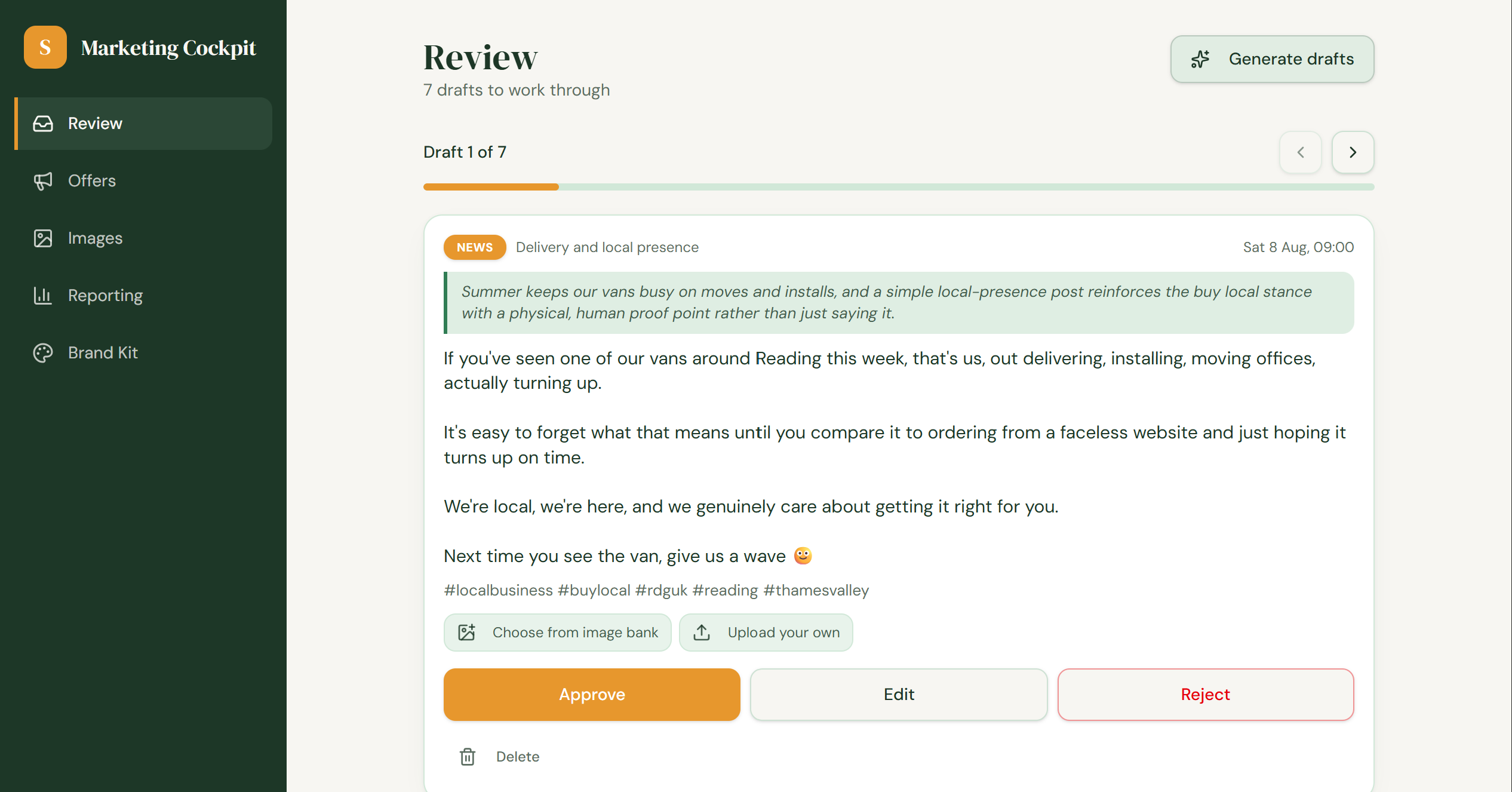
A managing director with a distinctive voice but no time to post. This tool drafts LinkedIn posts in his voice, lets him approve them in minutes, and publishes on schedule — no marketing hire required.
Read the case study
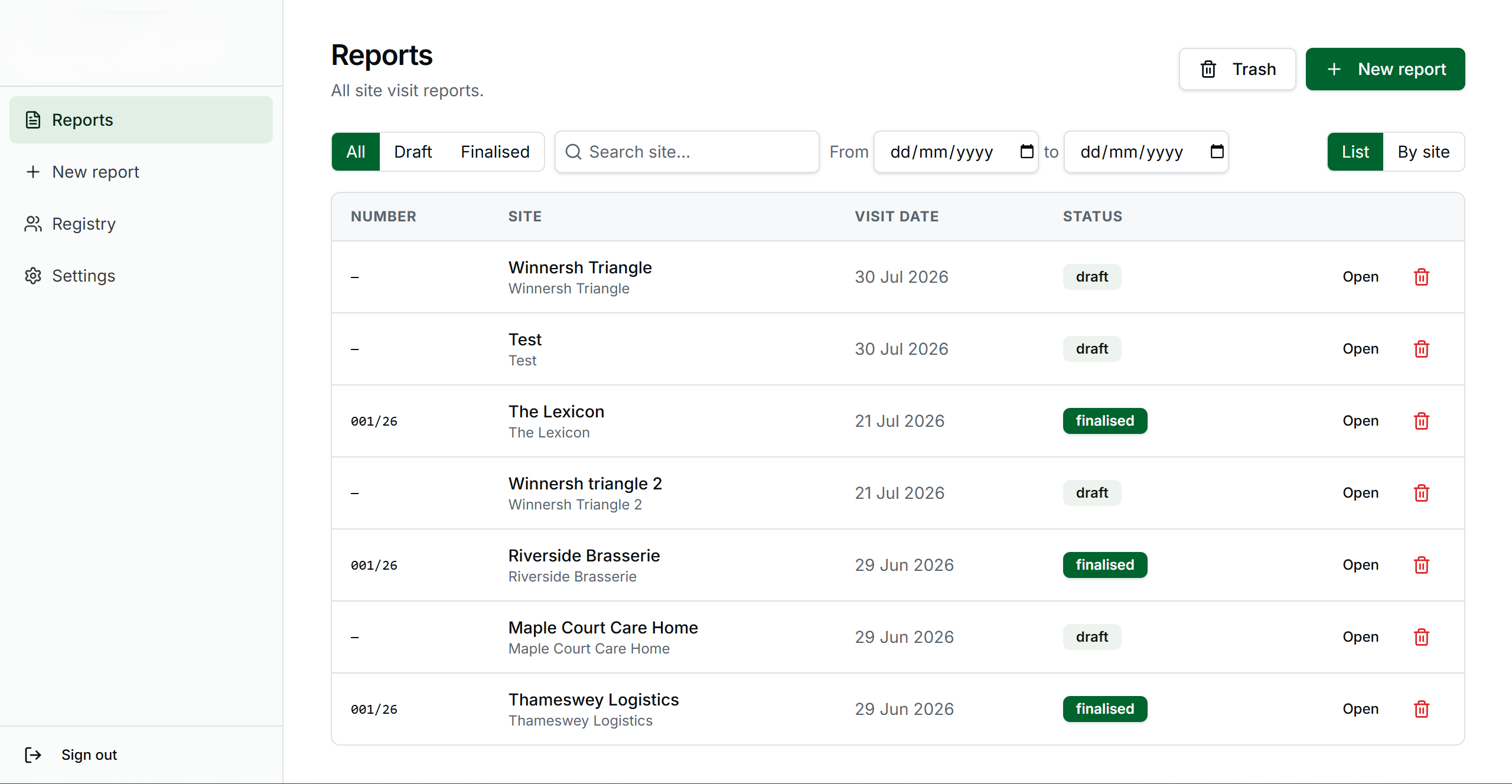
A pest control technician was losing evenings to report writing. This tool turns rough site notes and photos into a branded, client-ready PDF in minutes, with the technician approving every word before it goes out.
Read the case study
How I build
I ran a catering company for four and a half years before I built software. That's not a footnote — it's the whole approach. I start from the operational problem, not the technology, and I use AI-assisted tools to build the solution fast without losing control of the quality.
Sit with the owner and find where the time actually goes. The real version, not the org chart.
Agree the problem and what success looks like before a line of anything gets built.
Build fast with AI-assisted tools, in small iterations the client sees early and often.
Watch it used for real, then harden the rough edges. Shipped and used beats polished and theoretical.
Validate before building. The most expensive code is the code that solved the wrong problem.
Match the tool to the trigger. Scheduled automation for repeating tasks, AI for the human-initiated ones.
Anything client-facing gets a human gate. A few seconds of oversight is what makes automation trustworthy enough to use.
Knowing when not to build is part of the job. One of last year's best decisions was a feature I cancelled.
The stack
I'm fluent in a modern AI-assisted toolchain and pick the right tool for each part of the job rather than forcing everything through one.
Front-end and cloud scaffolding — the interface the client actually uses.
Logic-heavy work: the functions and rules that run behind the interface.
The AI that drafts, rewrites, and matches voice inside each tool.
Automation and publishing — wiring the pieces together and out to other systems.
The database, storage, and auth that hold everything each tool remembers.
Start with a free audit: a structured session that maps your workflows and shows where automation will actually make a difference.
Book a free audit